



Choosing an earmuff or earplug is not about finding one product that wins every time. Earplugs are compact and often more comfortable in hot conditions, while earmuffs are generally easier to fit and remove.
The better option depends on your noise exposure, comfort, and other safety equipment in use. Here are some things to consider for your safety.
OSHA Noise Limit Standards
Under OSHA’s US general industry standard, the permitted noise exposure limit is 90 dBA averaged over eight hours. Otherwise, over 8 hours employers must implement a hearing conservation program, including exposure monitoring, hearing tests, training, and access to hearing protection.
The Noise Reduction Rating, or NRR, describes a hearing protective equipment’s performance under laboratory conditions, and in each worker, it might work out differently. NIOSH recommends individual fit testing to check how much protection someone actually receives.
What Are Earplugs?
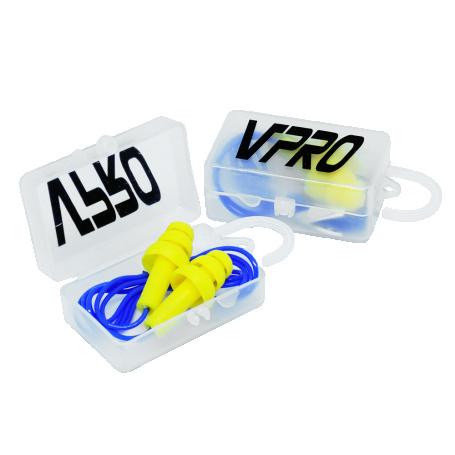
Earplugs fit inside the ear canal to reduce incoming sound. Options include disposable foam, reusable pre-molded designs, and products custom fitted to the wearer’s ears.
Advantages of Wearing Earplugs
- Easy to carry. Their small size makes them convenient to store and keep available throughout a shift.
- Comfortable in heat. They are often more comfortable than earmuffs in hot or humid workplaces.
Compatible with other PPE. They generally cause fewer fitting conflicts with helmets, safety glasses, and other equipment worn on the head.
Disadvantages of Wearing Earplugs
- Technique matters. Incorrect insertion reduces protection, so users need fitting instructions and practice.
- Hygiene requires attention. Dirty fingers or contaminated plugs can introduce dirt and bacteria into the ear canal.
- Harder to monitor. Supervisors may struggle to check whether workers are wearing them from a distance.
What Are Earmuffs?
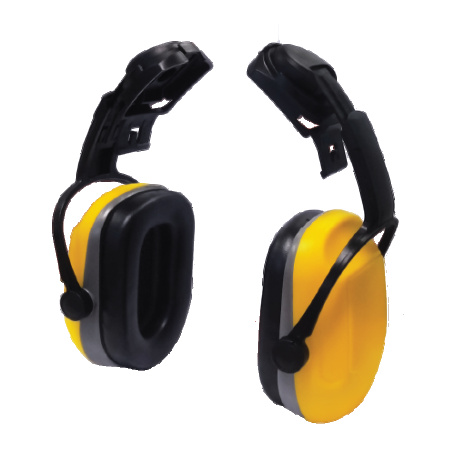
Protective earmuffs use cushioned cups that seal around the outer ears. They are held in place by a headband or, on compatible models, attached to a safety helmet.
Advantages of Wearing Earmuffs
- Easier fitting. They are generally simpler to position correctly than earplugs, although the cushions still need a complete seal.
- Convenient for intermittent noise. They are easy to put on before entering a noisy area and remove after leaving it.
- Visible and durable. Supervisors can easily see them, and many models have replaceable cushions or other parts.
Disadvantages of Wearing Earmuffs
- Heat and weight. Their coverage and weight can become uncomfortable during long shifts in warm conditions.
- Possible PPE interference. Glasses, hair, or other equipment can interrupt the cushion seal and reduce protection.
- Bulkier storage. They take up more space and are less convenient to carry than earplugs.
Earmuff or Earplug: Which Wins?
Neither type automatically provides better noise reduction. Compare the specific product, measured exposure, and fit rather than assuming earplugs always outperform earmuffs.
| Feature | Earplugs | Earmuffs |
|---|---|---|
| Noise reduction | Depends on model and fit. | Depends on model and seal. |
| Hot conditions | Often more comfortable. | Can feel warm and heavy. |
| Portability | Small and lightweight. | Bulkier. |
| Other PPE | Generally fewer fitting conflicts. | Check compatibility and cushion seal. |
| Visibility | Harder to inspect from a distance. | Easier to see. |
| Ease of use | Insertion requires practice. | Generally easier to fit. |
Whichever you choose, wear it through-out hazardous exposure. Removing protection briefly in a noisy area can substantially reduce its overall effectiveness.
Frequently Asked Questions
Still deciding between an earmuff or earplug? Contact Kurnia Safety to discuss your noise exposure, comfort preferences, and PPE requirements. Explore our hearing protection range, with shipping available across Indonesia.
